
Siding Removal Cost: How Much Does It Cost to Remove Old Exterior Panels?
Factors Affecting Siding Removal Cost
When it comes to determining the cost of removing old exterior panels, several factors come into play. Understanding these factors can help you estimate the overall expenses more accurately.The type of siding used on your property is a significant factor in determining the removal cost.
Different materials such as vinyl, wood, fiber cement, or metal siding require varying levels of effort and specialized tools for removal, impacting the overall expenses.
Type of Siding
- Vinyl siding is relatively easier and quicker to remove compared to wood or fiber cement siding.
- Wood siding may require more labor-intensive removal processes, increasing the cost.
- Metal siding removal can be complex due to fasteners and connections, potentially raising removal expenses.
The size of the siding removal project also plays a crucial role in determining the overall cost. Larger properties with extensive siding will naturally incur higher removal costs due to the increased labor, time, and resources required for the project.
Size of the Project
- Larger properties with more square footage of siding will have higher removal costs.
- Smaller projects may be more cost-effective in terms of labor and materials.
- Complex architectural designs or multiple stories can also impact the overall cost.
Accessibility and the height of the siding are additional factors that can affect removal expenses. Siding located in hard-to-reach areas or at significant heights may require specialized equipment or safety measures, leading to increased costs.
Accessibility and Height
- Siding removal in areas with limited access may require additional time and effort, impacting the overall cost.
- Taller properties or structures may involve the use of scaffolding or lifts, increasing the removal expenses.
- Safety precautions and equipment for high-reaching areas can add to the overall project cost.
Cost Breakdown of Siding Removal
Removing old exterior panels involves several costs that need to be considered. Here, we will break down the average costs associated with labor, equipment, disposal, permits, hazardous material removal, and unforeseen damages impact on the final removal cost.
Labor Costs
Labor costs typically range from $40 to $70 per hour, depending on the location and expertise of the workers involved. Removing siding requires skilled labor to ensure the job is done efficiently and safely.
Equipment Costs
Equipment costs can vary based on the type of tools needed for the removal process. Renting or purchasing specialized equipment such as scaffolding, ladders, or power tools can add to the overall cost of the project.
Disposal Costs
Disposing of old siding materials can incur additional fees, especially if hazardous materials are involved. Proper disposal methods must be followed to comply with environmental regulations, which can impact the final cost.
Permits and Hazardous Material Removal
Depending on local regulations, permits may be required for siding removal projects. Additionally, if the old siding contains hazardous materials such as lead paint or asbestos, the removal process must be handled carefully by trained professionals, adding extra costs to the project.
Unforeseen Damages
Unforeseen damages such as rot, mold, or structural issues discovered during the siding removal process can significantly impact the final cost. Addressing these damages may require additional materials, labor, and time, leading to unexpected expenses.
DIY vs. Professional Removal

When it comes to removing siding, homeowners often face the decision of whether to tackle the project themselves or hire professionals. Each option comes with its own set of costs and benefits. Let’s explore the cost implications of DIY siding removal versus hiring professionals.
DIY Siding Removal
Removing siding on your own can be a cost-effective option, especially if you have the necessary tools and skills. Here is a step-by-step guide for safely removing siding DIY style:
- Start by inspecting the siding for any damage or rot.
- Use a pry bar to carefully remove the siding panels, starting from the top and working your way down.
- Dispose of the old siding properly to avoid any environmental hazards.
- Inspect the underlying structure for any issues before installing new siding.
Tip: Make sure to wear protective gear such as gloves and safety goggles while removing siding to prevent injuries.
Professional Siding Removal
Hiring professionals for siding removal may come at a higher cost, but it offers several benefits:
- Expertise: Professionals have the experience and skills to complete the job efficiently.
- Time-saving: Hiring professionals can save you time and effort compared to DIY removal.
- Quality work: Professionals ensure that the siding is removed and installed correctly, reducing the risk of future issues.
Environmental Considerations
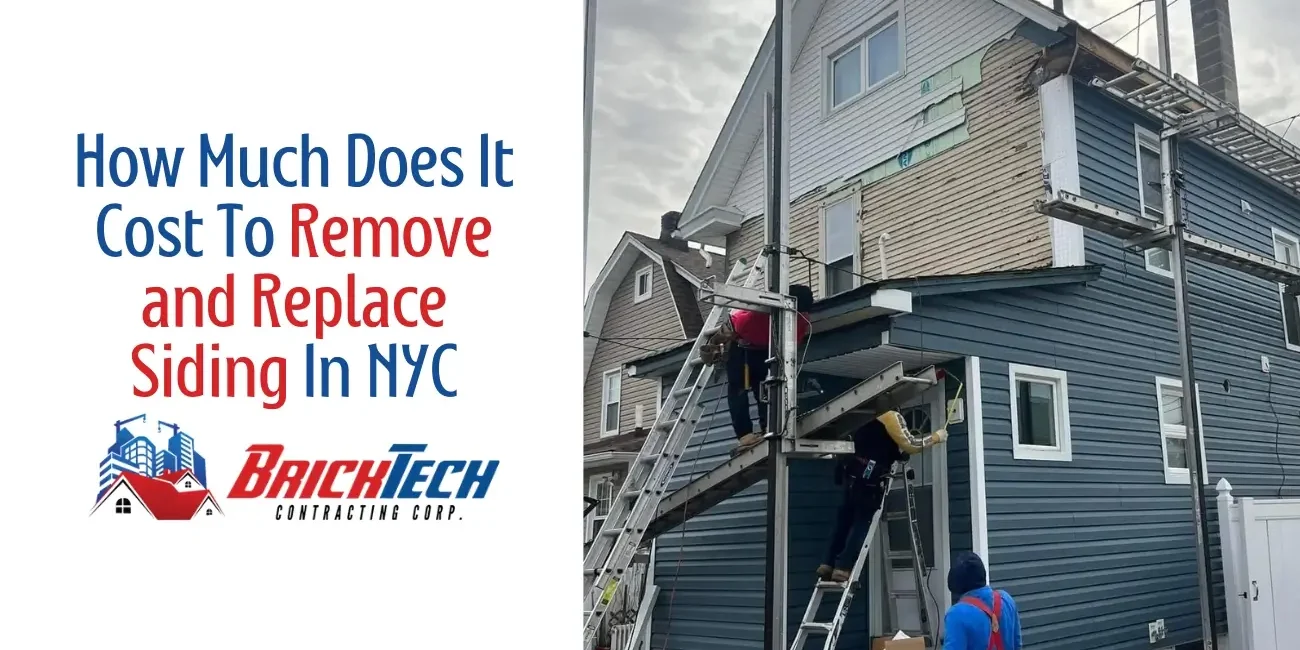
When it comes to siding removal, considering the environmental impact is crucial. Proper disposal of old siding materials can not only help reduce waste but also contribute to a more sustainable approach to home renovation.
Eco-Friendly Disposal Options
- Recycling: One of the most environmentally friendly options is to recycle old siding materials. Many recycling facilities accept siding panels made of materials like vinyl, aluminum, or wood. By recycling these materials, you can reduce the amount of waste sent to landfills and conserve valuable resources.
- Donation: If your old siding is still in good condition, consider donating it to organizations that can repurpose it for other projects. This not only helps the environment but also supports charitable causes.
- Repurposing: Another option is to repurpose old siding for DIY projects or landscaping features. By giving new life to these materials, you can minimize waste and add unique elements to your home.
Impact on Removal Costs
Recycling old siding materials can have a positive impact on removal costs. Some recycling facilities may offer free or low-cost disposal options for recyclable materials, which can help offset the overall cost of siding removal. Additionally, recycling can help you avoid disposal fees at landfills, making it a cost-effective and environmentally friendly choice.
Regulations and Guidelines
When it comes to environmentally friendly siding removal practices, it’s essential to follow any regulations or guidelines set forth by local authorities. These may include rules on proper disposal methods, recycling requirements, or restrictions on certain types of siding materials.
By adhering to these regulations, you can ensure that your siding removal process is not only eco-friendly but also compliant with legal standards.
Essential Questionnaire
What factors affect siding removal cost?
Factors include the type of siding, project size, and accessibility affecting removal expenses.
Is DIY siding removal cost-effective compared to hiring professionals?
DIY may save money, but professionals ensure safety and quality.
Are there eco-friendly disposal options for old siding?
Yes, recycling old materials can impact costs positively.