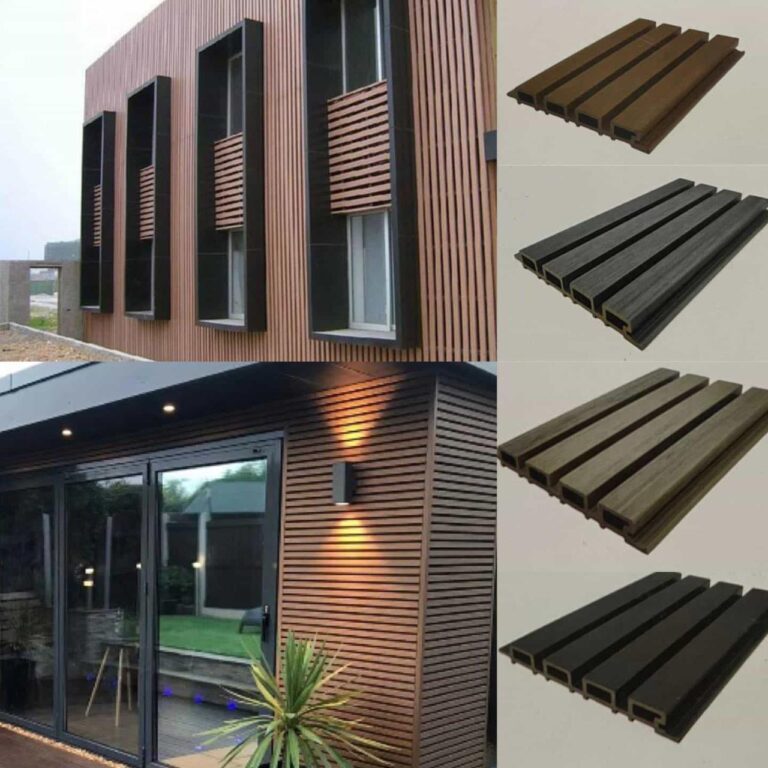
Commercial Cladding Contractors Australia: Installation, Repair, and Replacement Costs – A Comprehensive Guide
Overview of Commercial Cladding Contractors in Australia
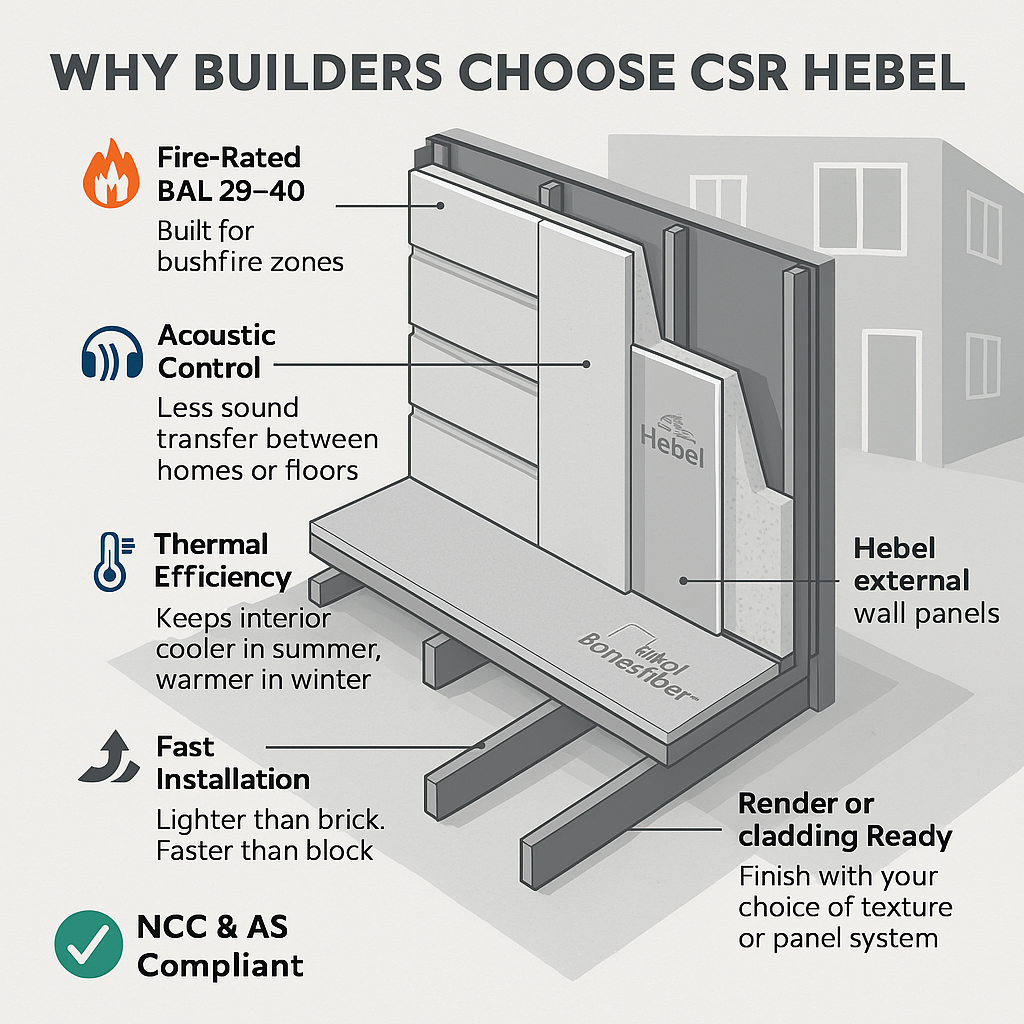
Commercial cladding has been an integral part of the construction industry in Australia for many years. It involves the installation of protective layers on the exterior of buildings to enhance their aesthetics, weather resistance, and energy efficiency. Commercial cladding contractors play a crucial role in ensuring the successful implementation of cladding projects.
Brief History of Commercial Cladding in Australia
Commercial cladding in Australia has evolved over time, with advancements in materials and technology. The use of cladding dates back to early architectural practices, but modern techniques have brought about innovative solutions for both residential and commercial buildings.
Role of Commercial Cladding Contractors
Commercial cladding contractors are responsible for the installation, repair, and replacement of cladding systems on various structures. They work closely with architects, engineers, and building owners to deliver high-quality cladding solutions that meet safety and performance standards.
Importance of Hiring Professional Contractors
Hiring professional commercial cladding contractors is essential to ensure the durability and effectiveness of cladding systems. Professionals have the expertise, experience, and knowledge to handle complex projects efficiently and safely. By hiring skilled contractors, building owners can avoid costly mistakes and ensure the longevity of their cladding investments.
Types of Cladding Materials Used by Contractors
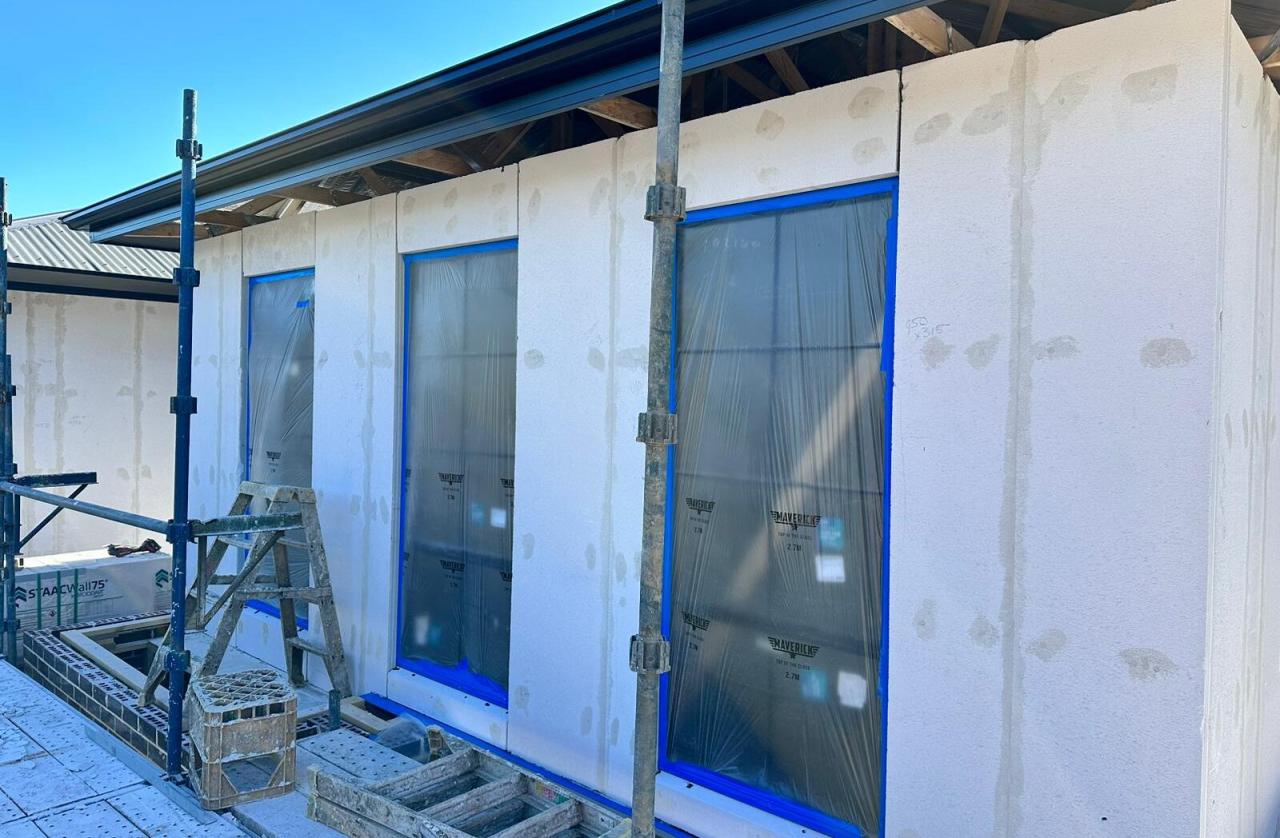
When it comes to commercial cladding projects, contractors utilize a variety of materials to achieve the desired aesthetic, durability, and cost-effectiveness. Each material has its own unique characteristics and benefits that cater to different project requirements.
Common Cladding Materials
- 1. Metal Cladding: Metal cladding, such as aluminum, steel, or copper, is popular for its durability and sleek modern look. It is often chosen for its longevity and low maintenance requirements.
- 2. Vinyl Cladding: Vinyl is a cost-effective option that comes in a variety of colors and styles. It is easy to install and requires minimal upkeep, making it a popular choice for commercial projects on a budget.
- 3. Composite Cladding: Composite materials combine the benefits of different materials, such as wood fibers and plastic. They offer a natural appearance with added durability and resistance to rot and pests.
- 4. Stone Cladding: Stone cladding provides a luxurious and timeless look to commercial buildings. It is durable, fire-resistant, and offers excellent insulation properties.
Durability and Cost-Effectiveness
When comparing cladding materials, it is essential to consider factors like longevity, maintenance requirements, and initial installation costs. Metal cladding is known for its durability and longevity, making it a cost-effective choice in the long run. Vinyl cladding, on the other hand, is more budget-friendly upfront but may require more frequent maintenance over time.
Composite cladding offers a balance between durability and cost, providing a middle-ground option for commercial projects.
Aesthetic Appeal
The aesthetic appeal of cladding materials plays a significant role in the overall design of a commercial building. Metal cladding offers a modern and sleek appearance, while vinyl cladding provides versatility in colors and styles. Stone cladding adds a touch of luxury and sophistication to the building’s exterior, enhancing its curb appeal.
Contractors consider the aesthetic preferences of the project and the surrounding environment when selecting the right cladding material.
Installation Process for Commercial Cladding
When it comes to installing cladding on commercial buildings, there are specific steps that contractors follow to ensure a successful and durable outcome.
Steps Involved in Installing Cladding on Commercial Buildings
- Site Inspection: Contractors start by assessing the building to determine the scope of work and any potential challenges.
- Preparation: This involves preparing the surface, ensuring it is clean and free of debris before installation begins.
- Installation: The cladding material is carefully installed according to manufacturer specifications, taking into account any design requirements.
- Finishing Touches: Once the cladding is installed, contractors will make sure all edges are properly sealed and any necessary trim is added for a polished look.
Safety Measures Taken During the Installation Process
- Use of Personal Protective Equipment (PPE): Workers are required to wear appropriate safety gear, such as helmets, gloves, and safety harnesses, to prevent accidents.
- Adherence to OHS Regulations: Contractors follow strict Occupational Health and Safety regulations to ensure a safe working environment for all involved.
- Regular Inspections: Inspections are conducted throughout the installation process to identify and address any safety concerns promptly.
How Contractors Ensure the Quality and Integrity of the Cladding Installation
- Quality Materials: Contractors source high-quality cladding materials to ensure durability and longevity.
- Skilled Workforce: Experienced and skilled workers are essential for a successful cladding installation, ensuring precision and attention to detail.
- Quality Control Checks: Contractors conduct thorough quality control checks at various stages of the installation process to identify and rectify any issues promptly.
Repair and Maintenance of Commercial Cladding
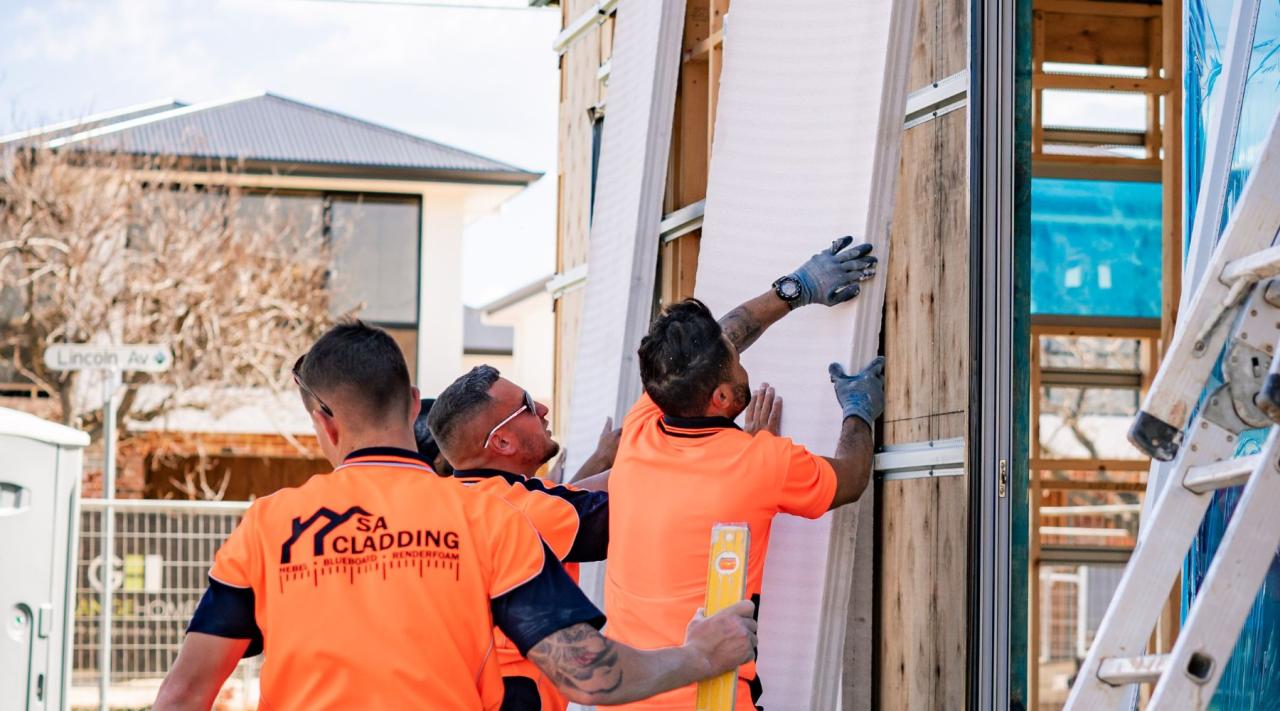
Commercial cladding, like any other building material, requires regular maintenance and occasional repairs to ensure its longevity and structural integrity. Identifying common issues, following recommended maintenance procedures, and addressing repairs in a timely manner are crucial in preserving the functionality and aesthetics of commercial properties.
Common Issues Requiring Repairs
- Water damage: Leaks and moisture infiltration can cause significant damage to cladding materials over time.
- Physical damage: Impact from external forces, such as severe weather or accidental collisions, can lead to cracks, dents, or breakage in the cladding.
- Corrosion: Metal cladding materials are susceptible to corrosion, especially in coastal areas or regions with high humidity levels.
Maintenance Procedures Recommended by Contractors
- Regular inspections: Contractors recommend periodic inspections to identify any signs of damage or wear early on.
- Cleaning: Keeping cladding surfaces clean from dirt, debris, and pollutants can prevent staining and deterioration.
- Sealing and coating: Applying protective sealants and coatings can help enhance the durability and weather resistance of cladding materials.
Importance of Timely Repairs
Timely repairs are essential to prevent further damage to the commercial cladding and underlying structure. Ignoring minor issues can lead to more extensive damage, compromising the safety and appearance of the building. By addressing repairs promptly, property owners can save on costly repairs in the long run and maintain the value of their investment.
Factors Affecting Costs of Commercial Cladding Installation, Repair, and Replacement
When it comes to the costs associated with commercial cladding projects, several factors play a significant role in determining the overall expenses. Understanding these factors can help in budgeting and planning for such projects effectively.
Cost Components of Commercial Cladding Projects
- Material Costs: The type of cladding material chosen for the project can have a substantial impact on the overall cost. Materials such as metal, composite panels, and timber can vary in price, affecting the budget accordingly.
- Labor Costs: The amount of labor required for the installation, repair, or replacement of commercial cladding will influence the final cost. Skilled labor comes at a higher price, so the complexity of the project plays a crucial role in labor expenses.
- Equipment and Tools: Specialized equipment and tools needed for cladding projects can add to the total cost. Renting or purchasing these tools will contribute to the overall budget.
- Project Size: The size of the commercial building or structure to be clad is a key determinant of costs. Larger projects will naturally require more materials, labor, and time, leading to higher expenses.
- Location: The location of the project site can also impact costs, considering factors like accessibility, transportation of materials, and local labor rates.
Impact of Factors on Costs
- Material Choice: Opting for premium or high-end cladding materials will increase costs, while selecting more budget-friendly options can help in cost savings.
- Project Size: Larger projects generally involve higher costs due to the increased material and labor requirements to cover the extensive area.
- Labor Skills: Projects demanding specialized skills or expertise may incur higher labor costs compared to simpler installations or repairs.
Cost Estimates for Different Cladding Services
For instance, the installation of metal cladding on a medium-sized commercial building may range from $20,000 to $40,000, depending on the specific requirements and finishes chosen.
On the other hand, repair costs for timber cladding on a small office building could vary from $5,000 to $10,000, considering the extent of damage and replacement needed.
Detailed FAQs
What are the common cladding materials used in commercial projects?
Common cladding materials include aluminum, composite panels, and fiber cement boards, among others. Each material has its unique advantages and applications.
How do contractors ensure the quality of cladding installation?
Contractors ensure quality by following industry standards, conducting thorough inspections, and using skilled labor for installation. They also perform quality checks at various stages of the process.
What factors impact the costs of commercial cladding projects?
Factors such as material choice, project size, design complexity, and labor costs can significantly influence the overall costs of commercial cladding installation, repair, and replacement.