External Wall Cladding Replacement: Costs, Materials, and Contractor Quotes
Costs of External Wall Cladding Replacement
Replacing external wall cladding can vary in cost based on several factors that influence the overall expenses. Factors such as the size of the property, choice of materials, and labor costs can significantly impact the total cost of the project.
Factors Influencing Cost
- Size of the Property: The larger the property, the more materials and labor will be required, leading to higher costs.
- Choice of Materials: Different materials have varying costs, with some being more expensive than others. Factors such as durability, maintenance requirements, and aesthetics can affect the price of materials.
- Labor Costs: The cost of labor can vary depending on the location, complexity of the project, and the expertise of the contractors involved.
Breakdown of Expenses
- Materials: This includes the cost of the cladding material itself, any additional components needed for installation, and any insulation materials required.
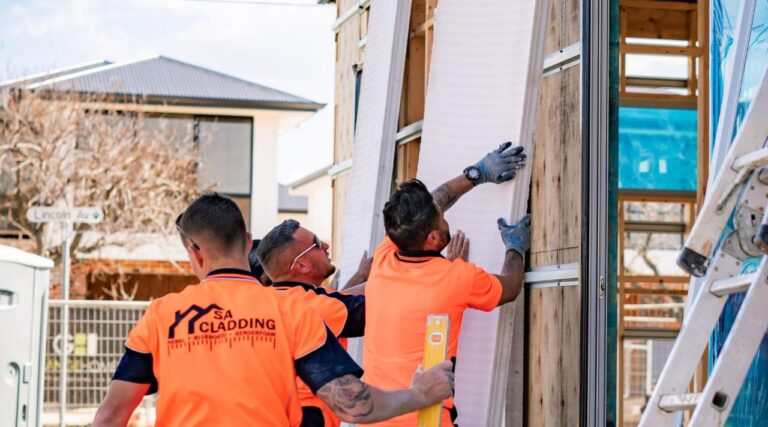
- Labor: The cost of hiring contractors to remove the existing cladding, prepare the surface, install the new cladding, and finish the project.
- Equipment: Any specialized equipment needed for the project, such as scaffolding or tools, can add to the overall cost.
- Permits and Regulations: Depending on the location, permits may be required for the replacement project, which can incur additional costs.
Impact of Different Materials
- Brick: While durable and aesthetically pleasing, brick cladding tends to be more expensive due to the labor-intensive installation process.
- Stone: Natural stone cladding is luxurious but comes with a higher price tag compared to other materials.
- Vinyl: Vinyl cladding is affordable and easy to install, making it a cost-effective option for those on a budget.
- Wood: Wood cladding can vary in price depending on the type of wood used, with hardwoods generally costing more than softwoods.
Materials Used in External Wall Cladding Replacement
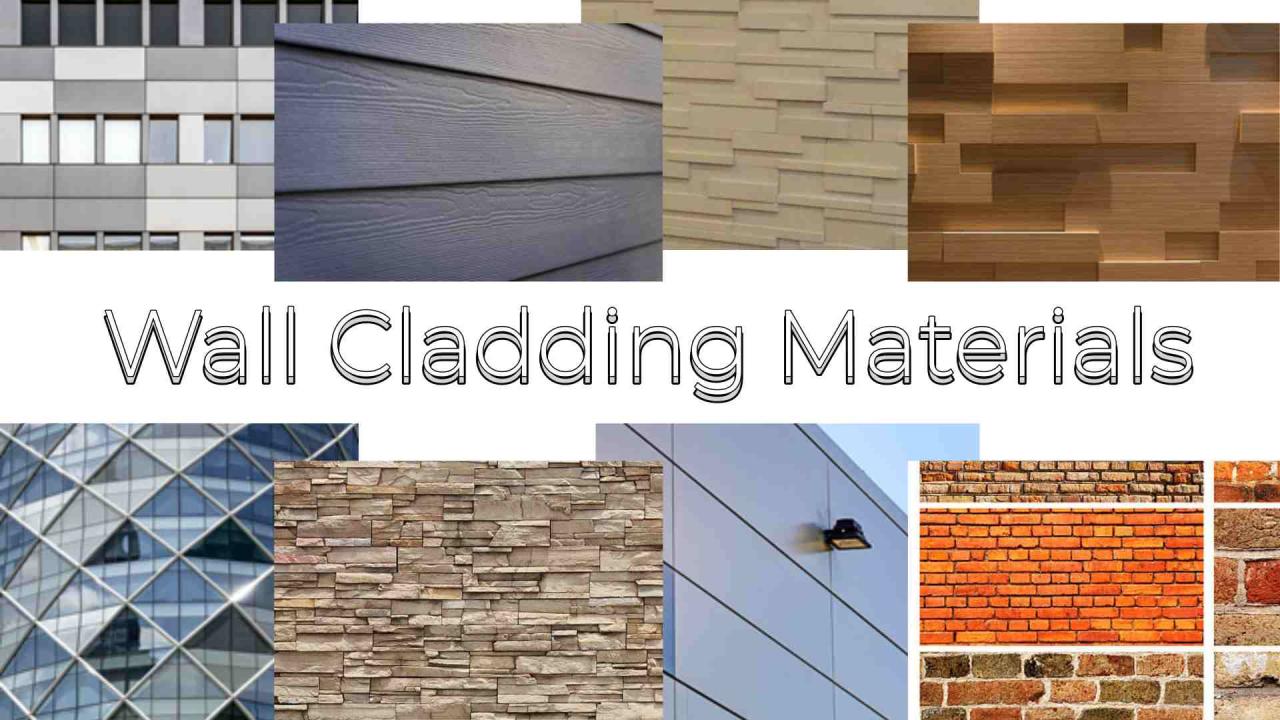
When it comes to external wall cladding replacement, there are several common materials that are used based on their durability, aesthetic appeal, and maintenance requirements.
1. Vinyl Cladding
Vinyl cladding is a popular choice due to its affordability, low maintenance, and wide range of colors and styles. It is durable, resistant to rot and insect damage, and easy to install. However, it may fade over time and can be prone to cracking in extreme weather conditions.
2. Wood Cladding
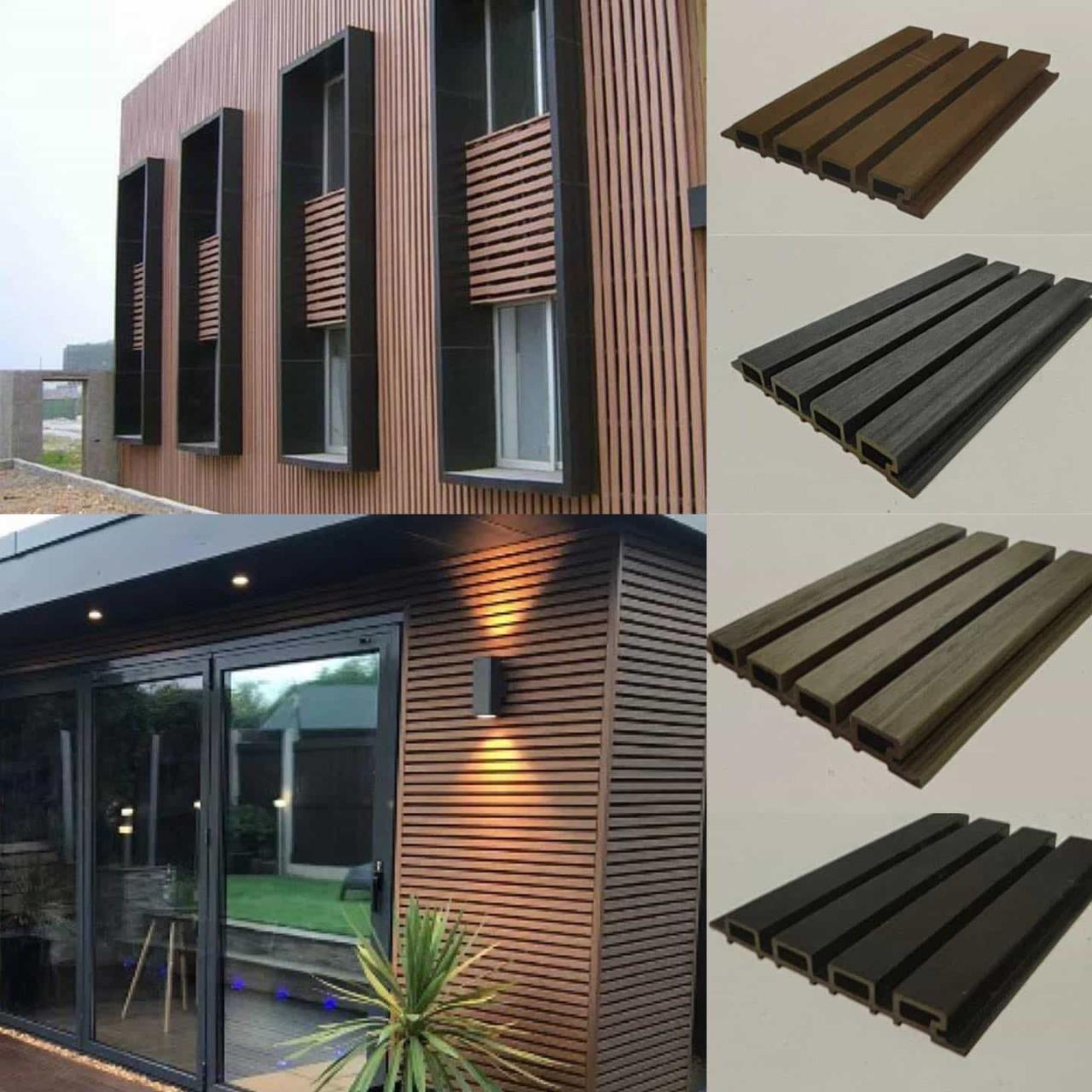
Wood cladding provides a natural and warm look to a building. It is versatile and can be stained or painted in various colors. However, wood cladding requires regular maintenance such as staining, sealing, and protection against rot, mold, and pests.
It is also more susceptible to fire damage compared to other materials.
3. Fiber Cement Cladding
Fiber cement cladding is a durable and low-maintenance option that is resistant to fire, moisture, rot, and pests. It comes in a variety of textures and colors, mimicking the look of wood or masonry. Although it is more expensive than vinyl, it offers a longer lifespan and requires minimal upkeep.
4. Metal Cladding
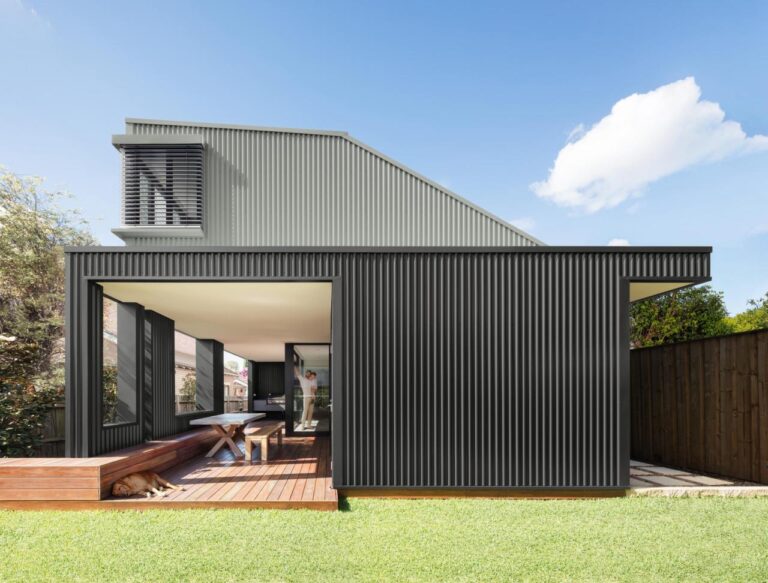
Metal cladding, such as aluminum or steel, is known for its modern and sleek appearance. It is lightweight, durable, and resistant to fire, rot, and pests. Metal cladding requires minimal maintenance but can be prone to denting or scratching. It is also a good option for sustainability as it can be recycled.
5. Brick Cladding
Brick cladding provides a classic and timeless look to a building. It is durable, fire-resistant, and requires minimal maintenance. However, it is more expensive than other cladding materials and may be heavier, requiring additional structural support.
Contractor Quotes for External Wall Cladding Replacement
When looking for quotes from contractors for your external wall cladding replacement project, it’s essential to follow a few key steps to ensure you get accurate quotes and select the right professional for the job.It’s crucial to review the credentials and experience of the contractors before making a decision.
Look for contractors who have experience in external wall cladding replacement specifically, as this will ensure they have the necessary skills and knowledge to complete the project successfully.
Tips for Obtaining Accurate Contractor Quotes
- Provide detailed information about the scope of the project, including the size of the area to be covered, the type of cladding material you want to use, and any specific requirements you may have.
- Get quotes from multiple contractors to compare prices and services offered. This will help you make an informed decision based on both cost and quality.
- Ask for references from previous clients and check online reviews to ensure the contractor has a good reputation for quality work.
Negotiating Pricing with Contractors
- Be upfront about your budget and timeline for the project. This will help the contractor provide a more accurate quote based on your specific needs.
- Ask if there are any opportunities for cost-saving measures, such as using alternative materials or adjusting the project timeline.
- Don’t be afraid to negotiate the price with the contractor. Many contractors are willing to work with you to find a solution that fits within your budget while still meeting your needs.
Question Bank
What factors influence the cost of external wall cladding replacement?
Factors like material choice, project size, and labor costs can impact the overall cost.
Which materials are commonly used for external wall cladding replacement?
Common materials include vinyl, wood, fiber cement, and metal.
How can I negotiate pricing with contractors for external wall cladding replacement?
You can negotiate by comparing quotes, discussing payment terms, and being clear about your budget constraints.