Exterior Renovation Financing: Ways to Pay for Siding, Roofing, and Windows
Ways to Pay for Exterior Renovation
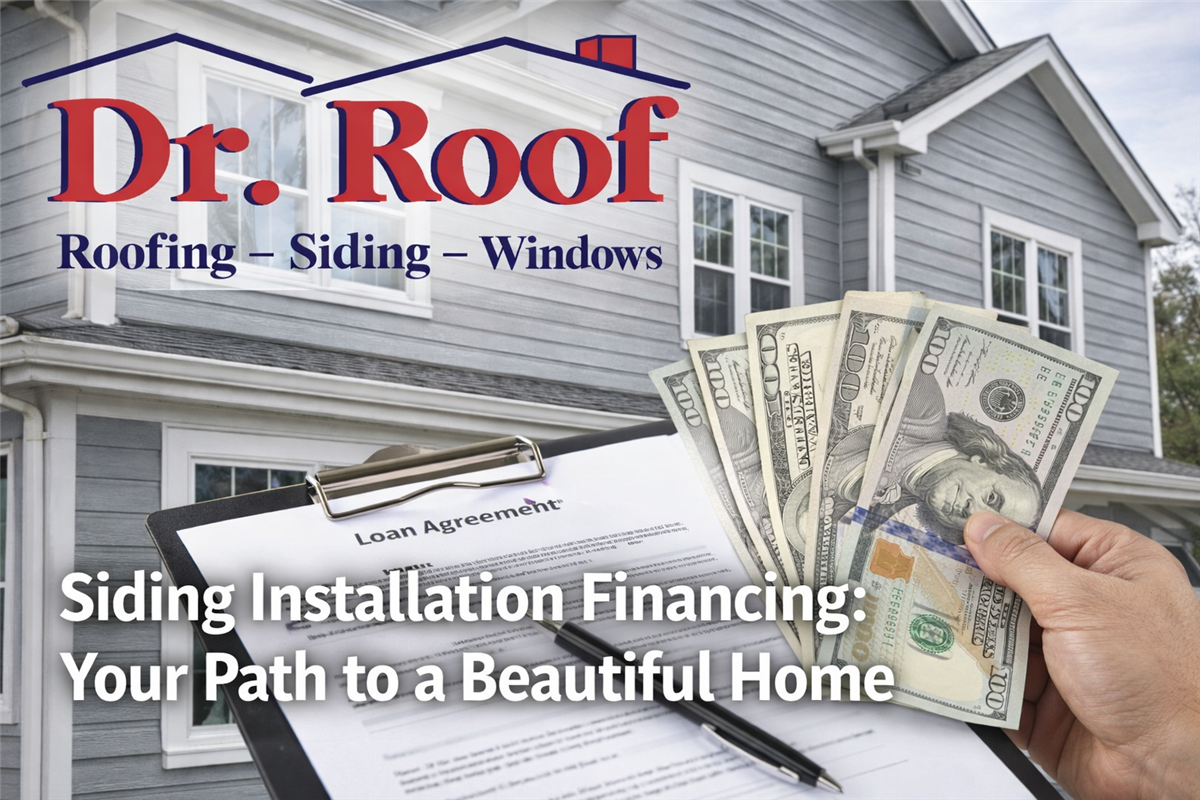
When it comes to financing exterior renovation projects like siding, roofing, and windows, there are several options available to homeowners. It’s crucial to understand the pros and cons of each method to make an informed decision that suits your financial situation.
Personal Savings
Using personal savings to fund exterior renovations is a straightforward approach. It eliminates the need for interest payments and debt accumulation. However, depleting your savings can leave you vulnerable in case of emergencies or other unexpected expenses.
Loans
Another common financing option is taking out a loan to cover the costs of exterior renovations. This can be in the form of a personal loan or a home improvement loan. While loans provide immediate access to funds, they come with interest rates and repayment terms that could add to the overall cost of the project.
Home Equity Loans or Lines of Credit
Home equity loans or lines of credit allow homeowners to borrow against the equity in their homes. This type of financing typically offers lower interest rates compared to other loan options. Additionally, the interest may be tax-deductible in some cases.
However, using your home as collateral means you risk losing it if you default on the loan.
Government Assistance Programs
Government assistance programs play a crucial role in helping homeowners finance their exterior renovation projects. These programs offer financial support for various types of upgrades, such as energy-efficient improvements and historic preservation projects.
Energy-Efficient Upgrades
- One popular government program is the Energy Efficient Mortgage (EEM), which allows homeowners to finance energy-efficient upgrades to their homes.
- To be eligible for EEM, homeowners must undergo an energy assessment to determine the potential savings from the upgrades.
- Applicants must meet certain energy efficiency requirements to qualify for the program.
Historic Preservation Grants
- Historic preservation grants are available for homeowners looking to renovate historic properties or homes located in designated historic districts.
- Eligibility for these grants often depends on the historic significance of the property and the proposed renovation plans.
- Homeowners may need to work with local historic preservation boards to apply for these grants and meet specific guidelines.
Financing Strategies for Energy-Efficient Upgrades
When it comes to financing energy-efficient upgrades for your home, there are specific considerations and options available that differ from traditional renovation financing. Energy-efficient upgrades such as siding, roofing, and windows can not only enhance the aesthetics and functionality of your home but also result in long-term savings on energy bills.
Energy-Efficient Siding, Roofing, and Windows Financing Options
- Home Equity Loan or Line of Credit: Using the equity in your home to finance energy-efficient upgrades can be a cost-effective option, as the interest rates are typically lower than other forms of financing.
- Energy-Efficient Mortgage: Some lenders offer special mortgage products that allow you to finance energy-efficient upgrades at the time of purchasing or refinancing your home.
- Energy-Efficient Improvement Loans: These loans are specifically designed to finance energy-efficient upgrades and may come with favorable terms and interest rates.
Potential Savings and Return on Investment
- Energy-efficient upgrades can lead to significant savings on energy bills over time, reducing your overall expenses related to heating and cooling your home.
- According to the U.S. Department of Energy, energy-efficient windows alone can save homeowners up to $465 per year in energy costs.
- Investing in energy-efficient upgrades can also increase the resale value of your home, providing a positive return on investment in the long run.
Tax Incentives and Rebates
- Many state and local governments offer tax incentives or rebates for homeowners who make energy-efficient renovations to their homes.
- The federal government also provides tax credits for certain energy-efficient upgrades, such as installing solar panels or energy-efficient windows.
- It’s important to research and take advantage of these incentives to offset the initial costs of energy-efficient upgrades and maximize your savings in the long term.
Working with Contractors and Financing
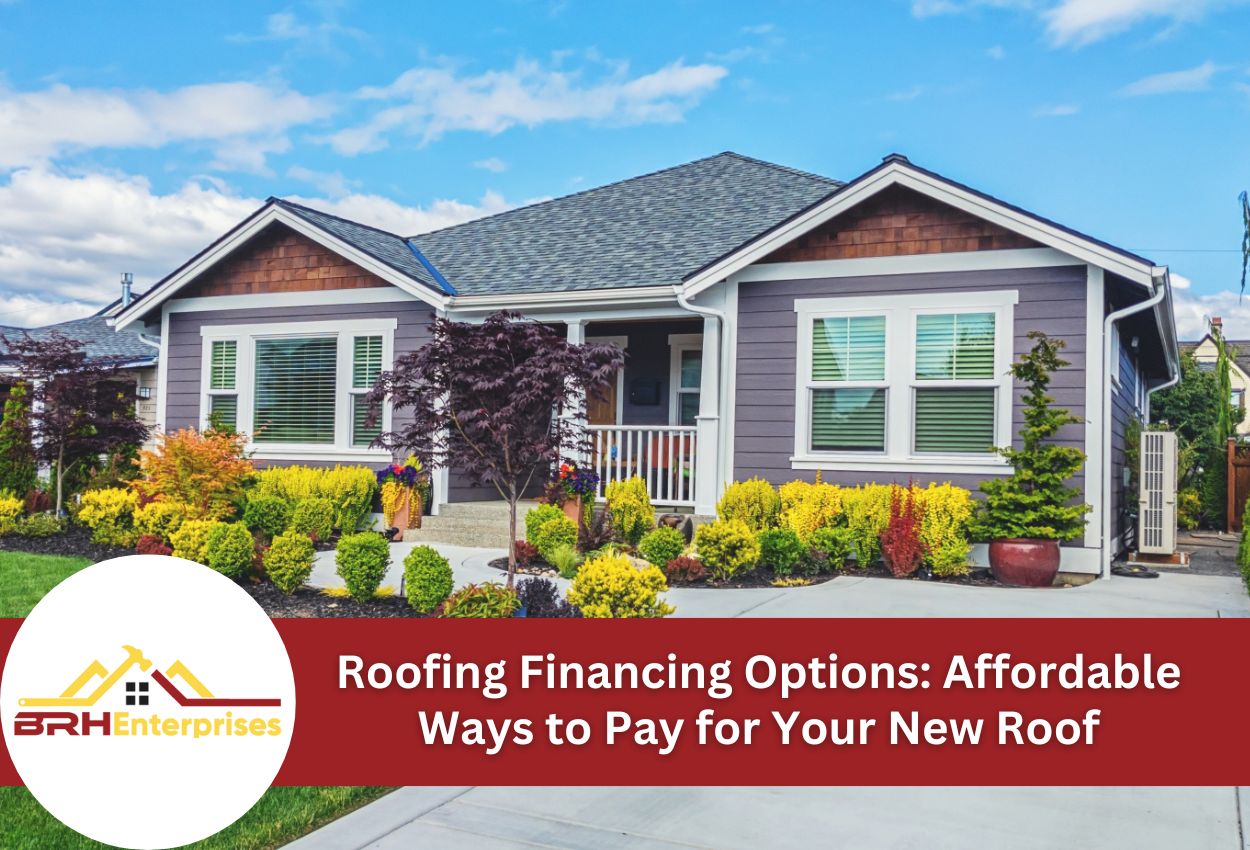
When it comes to exterior renovation projects, working effectively with contractors and managing financing are crucial aspects of the process. Here are some tips to help you navigate this part of your home improvement journey.
Negotiating Financing Terms with Contractors
- Discuss your financing options with the contractor upfront to ensure they are willing to work within your budget constraints.
- Be clear about the terms of payment and make sure they align with your financing plan.
- Consider negotiating a payment schedule that allows you to pay in installments as the project progresses.
Importance of Getting Multiple Quotes and Comparing Financing Offers
- Obtain quotes from multiple contractors to compare pricing and financing options.
- Look beyond the total cost and consider factors like payment terms, warranties, and project timelines.
- Don’t just focus on the lowest price; weigh the overall value and reputation of the contractor when making your decision.
Ensuring Contractor’s Payment Schedule Aligns with Your Financing Plan
- Communicate your financing plan clearly to the contractor to avoid any misunderstandings about payment expectations.
- Make sure the payment schedule is detailed in the contract and that it aligns with your budget and financing timeline.
- Regularly review the progress of the project and payments to ensure everything is on track according to the agreed-upon schedule.
Expert Answers
What are the benefits of using home equity loans for exterior renovation projects?
Home equity loans offer lower interest rates and tax-deductible interest payments compared to personal loans, making them a cost-effective financing option.
Are there specific tax incentives available for energy-efficient renovations?
Yes, homeowners can qualify for tax credits or rebates for installing energy-efficient siding, roofing, or windows, providing additional savings on renovation costs.
How can I determine if I’m eligible for government assistance programs for home renovation?
Eligibility criteria vary based on the specific program, but generally, factors such as income levels, property type, and the nature of the renovation project are considered. It’s advisable to check with the respective government agencies for detailed information.