Roofing, Windows and Exterior Cladding Cost: Planning a Complete Home Upgrade
Planning a Complete Home Upgrade
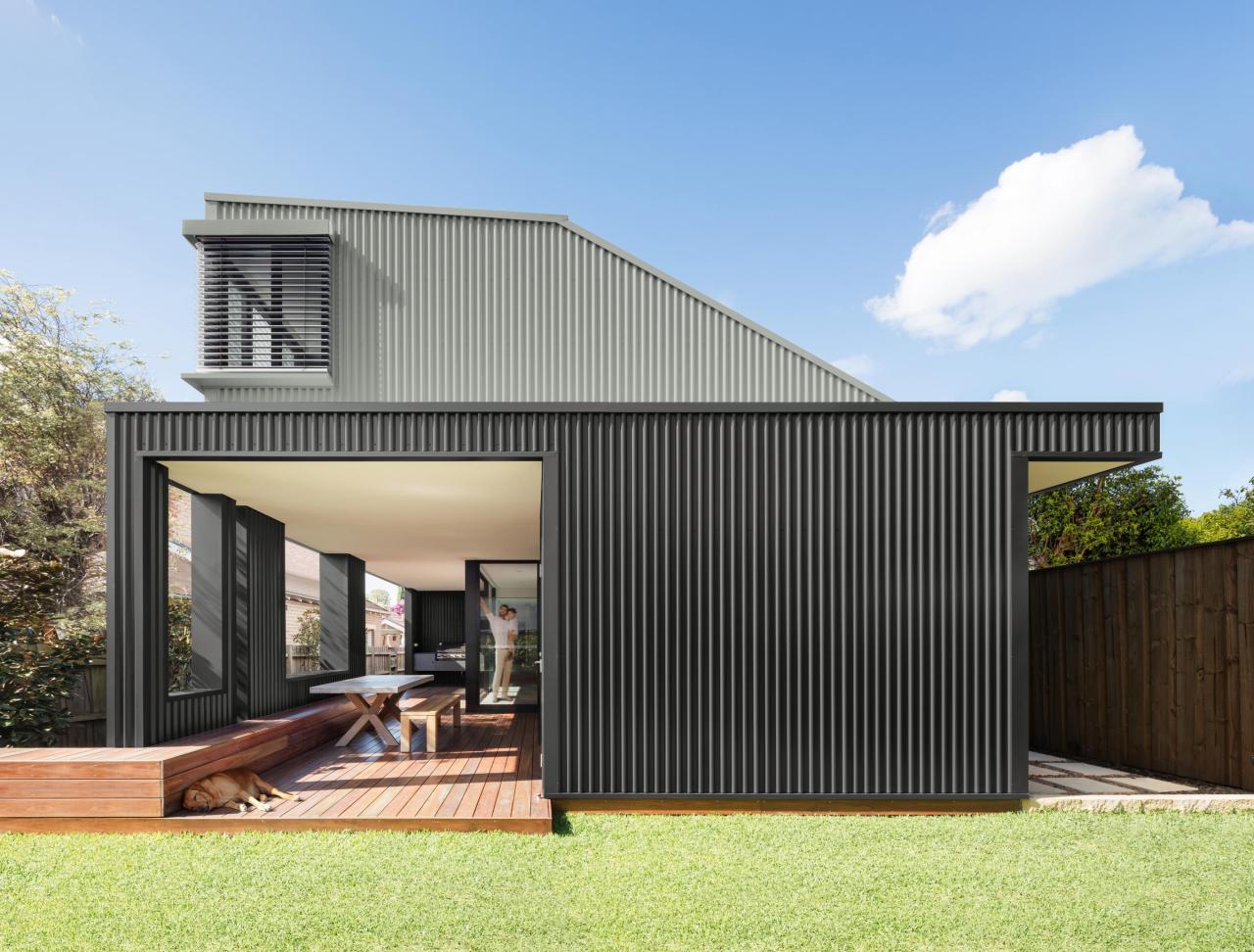
When embarking on a complete home upgrade that involves roofing, windows, and exterior cladding, careful planning is crucial. Planning helps ensure that the project runs smoothly, stays within budget, and achieves the desired outcome. Without proper planning, you may encounter unexpected issues or overspend on the renovation.Key Considerations for Planning a Comprehensive Home Renovation:
1. Assess the Current Condition of Your Home
Before diving into a renovation project, assess the current condition of your home. Identify areas that need immediate attention, such as leaky roofs, drafty windows, or deteriorating cladding. This evaluation will help prioritize tasks and allocate resources accordingly.
2. Set Clear Goals and Prioritize Areas of Improvement
Define your goals for the renovation project. Determine what you want to achieve with the upgrade, whether it’s enhancing curb appeal, improving energy efficiency, or increasing property value. Prioritize areas of improvement based on your goals and budget constraints.
3. Create a Realistic Budget
Creating a budget is essential for any home renovation project. Research the average costs of roofing, windows, and exterior cladding materials and labor in your area. Factor in additional expenses for unexpected repairs or upgrades. Be realistic about your budget and avoid overspending to prevent financial strain during the renovation process.
4. Hire Professional Contractors
When planning a complete home upgrade, consider hiring professional contractors with experience in roofing, window installation, and exterior cladding. Working with experts will ensure quality workmanship, adherence to building codes, and timely completion of the project. Get multiple quotes from different contractors to compare prices and services before making a decision.
5. Obtain Necessary Permits and Approvals
Before starting the renovation project, check with your local authorities to determine if any permits or approvals are required for roofing, window replacement, or exterior cladding installation. Failure to obtain necessary permits can result in fines or delays in the renovation process.
6. Consider Energy-Efficient Upgrades
When planning a complete home upgrade, consider incorporating energy-efficient upgrades into your renovation project. Opt for energy-efficient roofing materials, windows, and cladding that can help reduce utility costs and improve the overall sustainability of your home.
7. Plan for Future Maintenance
In addition to the initial renovation work, plan for future maintenance of your roofing, windows, and exterior cladding. Regular maintenance can help prolong the lifespan of these components and prevent costly repairs down the line. Factor in maintenance costs when creating your budget for the renovation project.By carefully planning a complete home upgrade and considering these key considerations, you can ensure a successful renovation project that enhances the functionality, aesthetics, and value of your home.
Roofing Options
When it comes to upgrading your home, choosing the right roofing material is crucial. Different types of roofing materials offer varying levels of durability, aesthetics, and cost. In this section, we will explore the various roofing options available for your home upgrade project.
Types of Roofing Materials
- Asphalt Shingles: Asphalt shingles are a popular choice due to their affordability and ease of installation. They come in a variety of colors and styles, making them a versatile option for many homeowners. However, they may not be as durable as other materials and may require more frequent maintenance.
- Metal Roofing: Metal roofs are known for their longevity and durability, often lasting 50 years or more. They are also energy-efficient and environmentally friendly. However, metal roofs can be more expensive upfront compared to other materials.
- Tile Roofing: Tile roofs are known for their aesthetic appeal and longevity. They come in various materials such as clay, concrete, and slate, offering a wide range of styles to choose from. While tile roofs are durable and fire-resistant, they can be heavy and may require additional structural support.
Pros and Cons of Popular Roofing Materials
| Roofing Material | Pros | Cons |
|---|---|---|
| Asphalt Shingles | Affordable, easy to install, variety of styles | Less durable, may require frequent maintenance |
| Metal Roofing | Longevity, energy-efficient, environmentally friendly | Higher upfront cost |
| Tile Roofing | Aesthetic appeal, longevity, fire-resistant | Heavy, may require additional structural support |
Impact of Roofing Material on Project Cost
The choice of roofing material can significantly impact the overall cost of your home upgrade project. While asphalt shingles may be more budget-friendly upfront, they may require more frequent repairs and replacements over time. On the other hand, investing in a metal or tile roof can increase the initial cost but offer long-term savings through durability and lower maintenance requirements.
Windows Selection
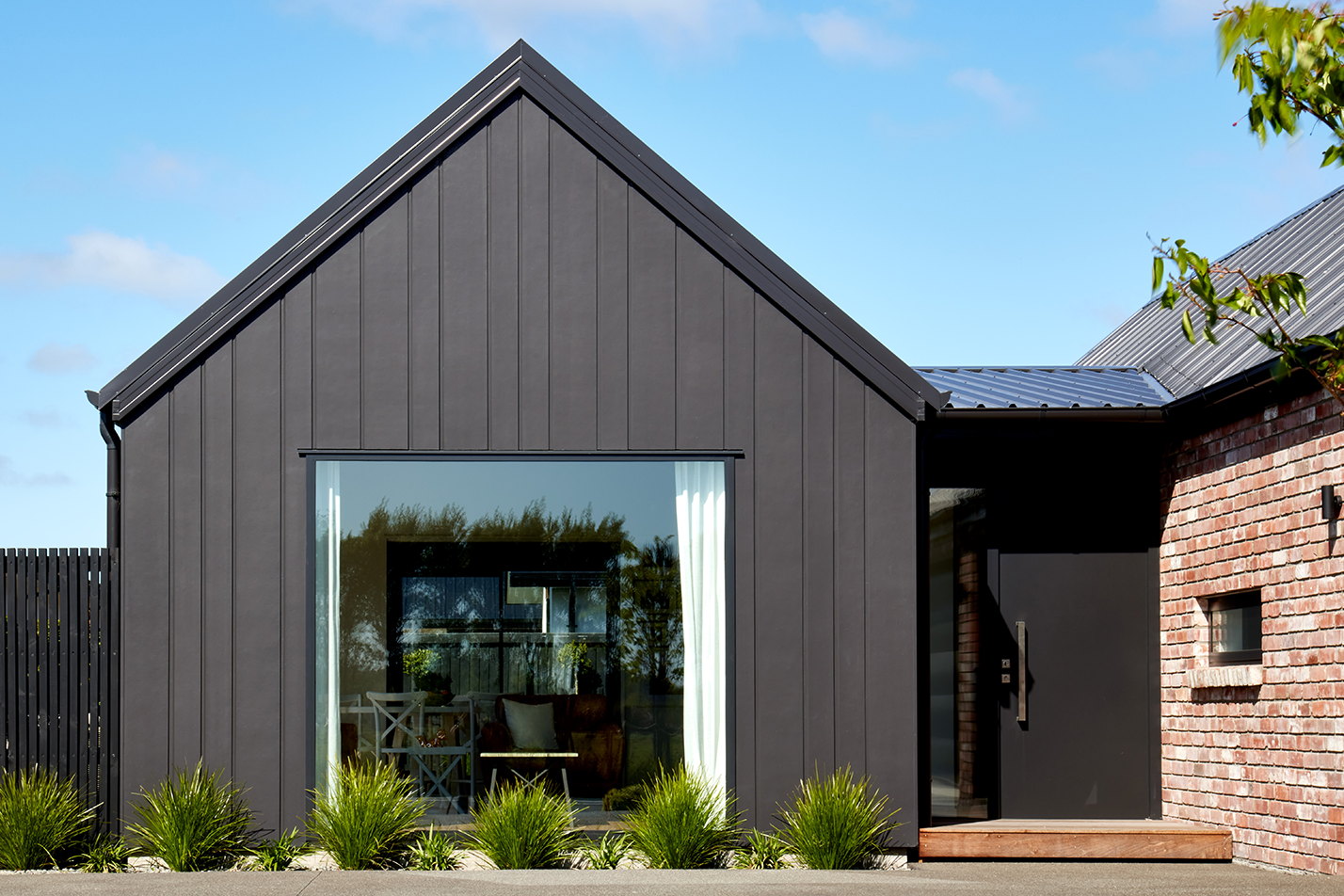
When it comes to selecting windows for your home upgrade, there are various styles that can complement different architectural designs. It is important to consider not only the aesthetics but also the functionality and energy efficiency of the windows.
Window Styles for Different Architectural Designs
- Traditional homes often look great with double-hung or casement windows, adding a classic touch to the overall design.
- Modern and contemporary homes can benefit from floor-to-ceiling windows or picture windows to maximize natural light and create a seamless indoor-outdoor connection.
- Craftsman-style homes typically feature divided-light windows with grids, enhancing the architectural charm and character of the house.
Energy-Efficient Window Options and Benefits
- Consider installing double or triple-pane windows with low-emissivity (Low-E) coating to improve insulation and reduce energy costs.
- Look for windows with the ENERGY STAR label, indicating they meet strict energy efficiency guidelines set by the EPA.
- Benefits of energy-efficient windows include lower utility bills, reduced carbon footprint, and improved indoor comfort throughout the year.
Tips for Selecting Windows
- Choose windows that complement the architectural style of your home while enhancing its curb appeal.
- Consider the orientation of your windows to maximize natural light and ventilation in different rooms.
- Opt for durable materials like vinyl, fiberglass, or aluminum that require minimal maintenance and offer long-term performance.
Exterior Cladding Considerations
When it comes to protecting a home, exterior cladding plays a crucial role in shielding the structure from the elements and maintaining its integrity over time. Choosing the right cladding material is essential for both aesthetics and functionality.
Types of Exterior Cladding Materials
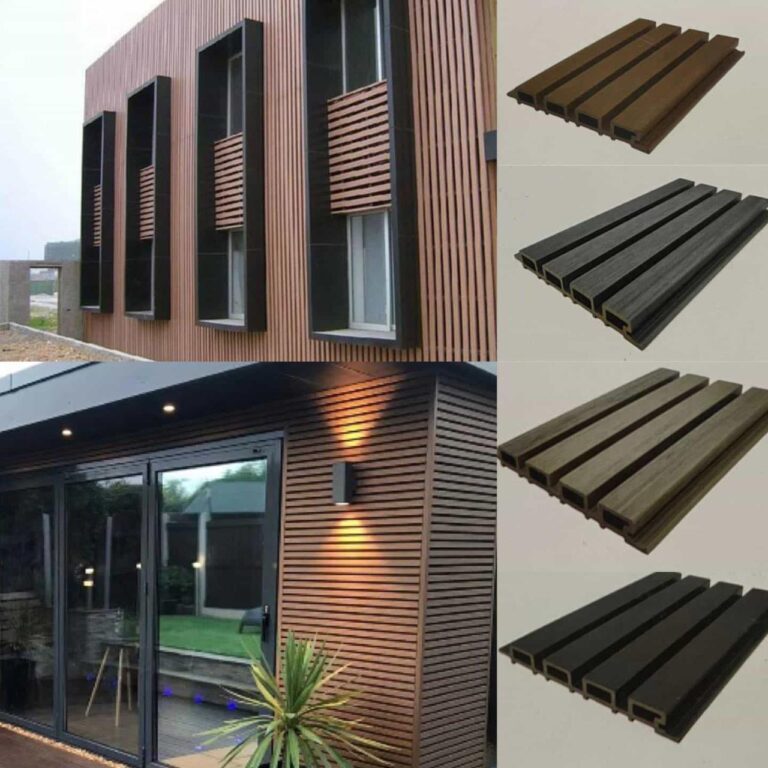
- Vinyl:Vinyl siding is a popular choice due to its low cost, versatility, and easy maintenance. It comes in a variety of colors and styles, making it a practical option for many homeowners.
- Wood:Wood cladding gives a natural and timeless look to a home. While it requires more maintenance compared to other materials, it offers excellent insulation properties and can enhance the overall curb appeal.
- Fiber Cement:Fiber cement cladding is a durable and low-maintenance option that mimics the look of wood but without the susceptibility to rot or pests. It is fire-resistant and available in different textures to suit various architectural styles.
Maintenance and Durability of Cladding Materials
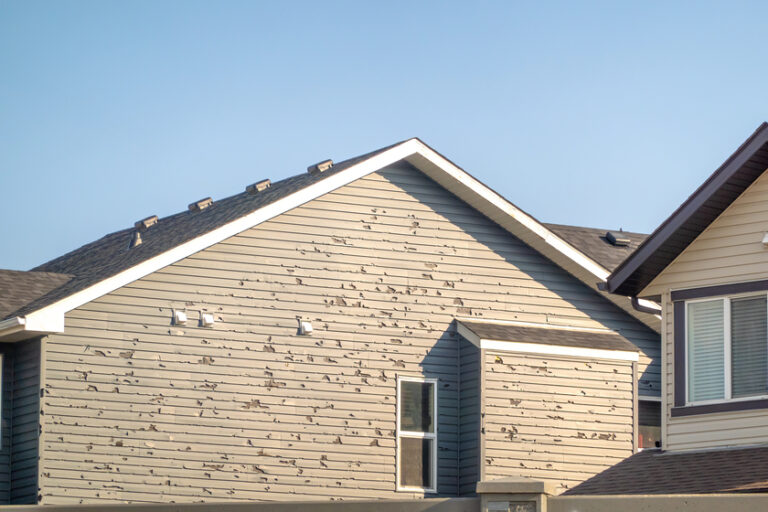
- Vinyl:Vinyl siding is relatively low maintenance, requiring periodic cleaning to keep it looking fresh. It is susceptible to cracking and fading over time but can last up to 20-40 years with proper care.
- Wood:Wood cladding needs regular painting or staining to protect it from moisture and UV rays. Proper maintenance can extend its lifespan to 20-30 years, but it may be prone to rot and insect damage if neglected.
- Fiber Cement:Fiber cement cladding is highly durable and resistant to rot, fire, and pests. It requires minimal maintenance, such as occasional cleaning and repainting every 15-20 years, making it a long-lasting option for homeowners.
FAQ Explained
What are the key considerations before starting a roofing, windows, and exterior cladding project?
Before starting any project, it’s crucial to assess the condition of existing structures, set a realistic budget, and research the best materials and styles that suit your home’s design.
How do different types of roofing materials impact the overall cost of a project?
The choice of roofing material can significantly affect the overall cost of a project. Materials like metal or tile may have higher upfront costs but offer better longevity and durability compared to asphalt shingles.
What are the benefits of energy-efficient window options?
Energy-efficient windows help in reducing utility bills, provide better insulation, and contribute to a more sustainable and eco-friendly home.
What types of exterior cladding materials require less maintenance?
Materials like vinyl and fiber cement are known for their low maintenance requirements, making them popular choices for homeowners looking for durability and ease of upkeep.