Best House Cladding Materials UK: Cost, Durability, and Maintenance Compared
Types of House Cladding Materials
When it comes to house cladding materials in the UK, there are several options available, each with its own unique characteristics. Let’s take a closer look at the different types of house cladding materials and compare their cost, durability, maintenance requirements, aesthetic appeal, and insulation properties.
Brick Cladding
Brick cladding is a popular choice for many homeowners due to its classic look and durability. While brick cladding can be more expensive upfront, it requires minimal maintenance over time. However, it may not provide the best insulation compared to other materials.
Timber Cladding
Timber cladding offers a natural and rustic appearance to a home. It is relatively cost-effective and provides good insulation properties. However, timber cladding may require more maintenance in terms of staining or painting to prevent rot and decay.
Vinyl Cladding
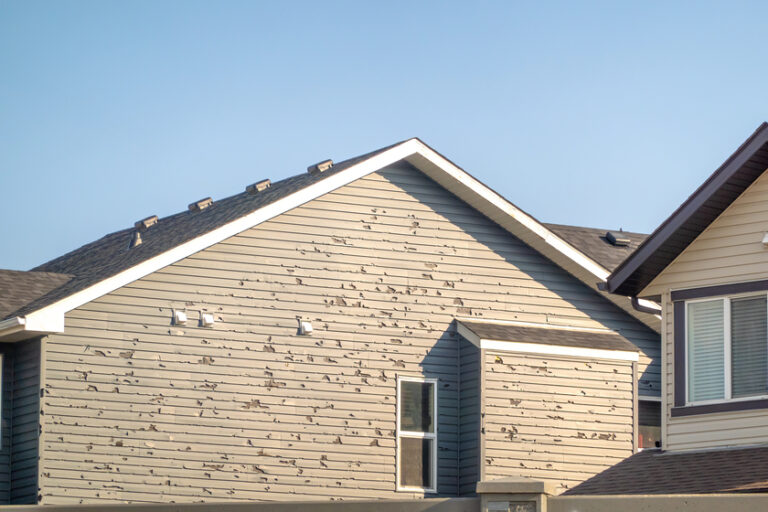
Vinyl cladding is a budget-friendly option that comes in a variety of colors and styles. It is low maintenance and resistant to rot and insects. However, vinyl may not be as durable as other materials and can crack or fade over time.
Fiber Cement Cladding
Fiber cement cladding is known for its durability and resistance to fire, insects, and rot. It is also low maintenance and comes in various textures and colors. While fiber cement cladding may have a higher upfront cost, it is a long-lasting option with excellent insulation properties.
Cost Analysis
When it comes to choosing house cladding materials, cost is a significant factor to consider. The initial installation cost, as well as long-term maintenance expenses, can vary greatly depending on the type of material used. Let’s delve into the cost analysis of different house cladding materials.
Comparison of Initial Installation Costs
| Cladding Material | Initial Installation Cost |
|---|---|
| Brick | High |
| Wood | Medium |
| UPVC | Low |
| Composite | Medium |
Factors such as material quality, size of the property, and complexity of installation can influence the initial cost of cladding materials.
Long-Term Cost Considerations
- Brick: While brick cladding may have a high initial cost, it is known for its durability and low maintenance requirements, resulting in lower long-term expenses.
- Wood: Wood cladding may require more frequent maintenance, staining, or painting, leading to higher long-term costs compared to other materials.
- UPVC: UPVC cladding is cost-effective in terms of maintenance, as it is easy to clean and does not require painting. However, it may need to be replaced over time, adding to long-term expenses.
- Composite: Composite cladding falls in the mid-range in terms of initial installation costs and maintenance. It offers a balance between durability and upkeep expenses.
Durability and Longevity
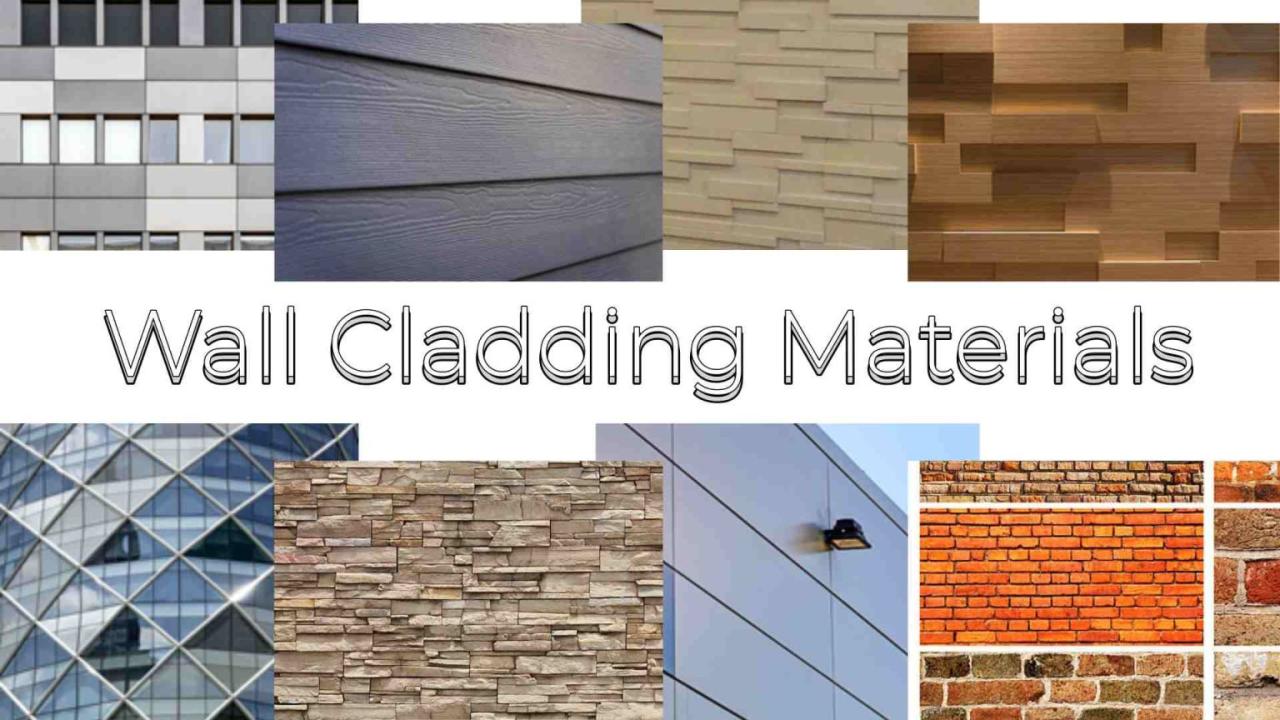
Durability and longevity are crucial factors to consider when choosing house cladding materials. The ability of a material to withstand weather conditions and wear over time can greatly impact the overall value for homeowners. Let’s explore how different cladding materials fare in terms of durability and longevity in the UK climate.
Wood Cladding
Wood cladding is known for its natural beauty, but it requires regular maintenance to prevent rot and decay. In the UK climate, wood cladding is susceptible to damage from rain and moisture, which can lead to mold growth and deterioration.
With proper care and maintenance, wood cladding can last around 20-30 years.
Brick Cladding
Brick cladding is highly durable and weather-resistant, making it a popular choice for UK homes. Bricks can withstand rain, wind, and temperature fluctuations without deteriorating. When well-maintained, brick cladding can last over 100 years, providing excellent longevity and value for homeowners.
UPVC Cladding
UPVC cladding is a low-maintenance option that is resistant to rot, mold, and fading. It performs well in the UK climate, enduring rain and wind without significant wear. UPVC cladding typically has a lifespan of 20-30 years, offering decent durability and value for homeowners.
Fiber Cement Cladding
Fiber cement cladding is a durable and long-lasting option that is resistant to fire, rot, and pests. In the UK climate, fiber cement cladding can withstand rain, wind, and temperature changes without deteriorating. With proper maintenance, fiber cement cladding can last 50-75 years, providing excellent longevity and value for homeowners.
Maintenance Requirements
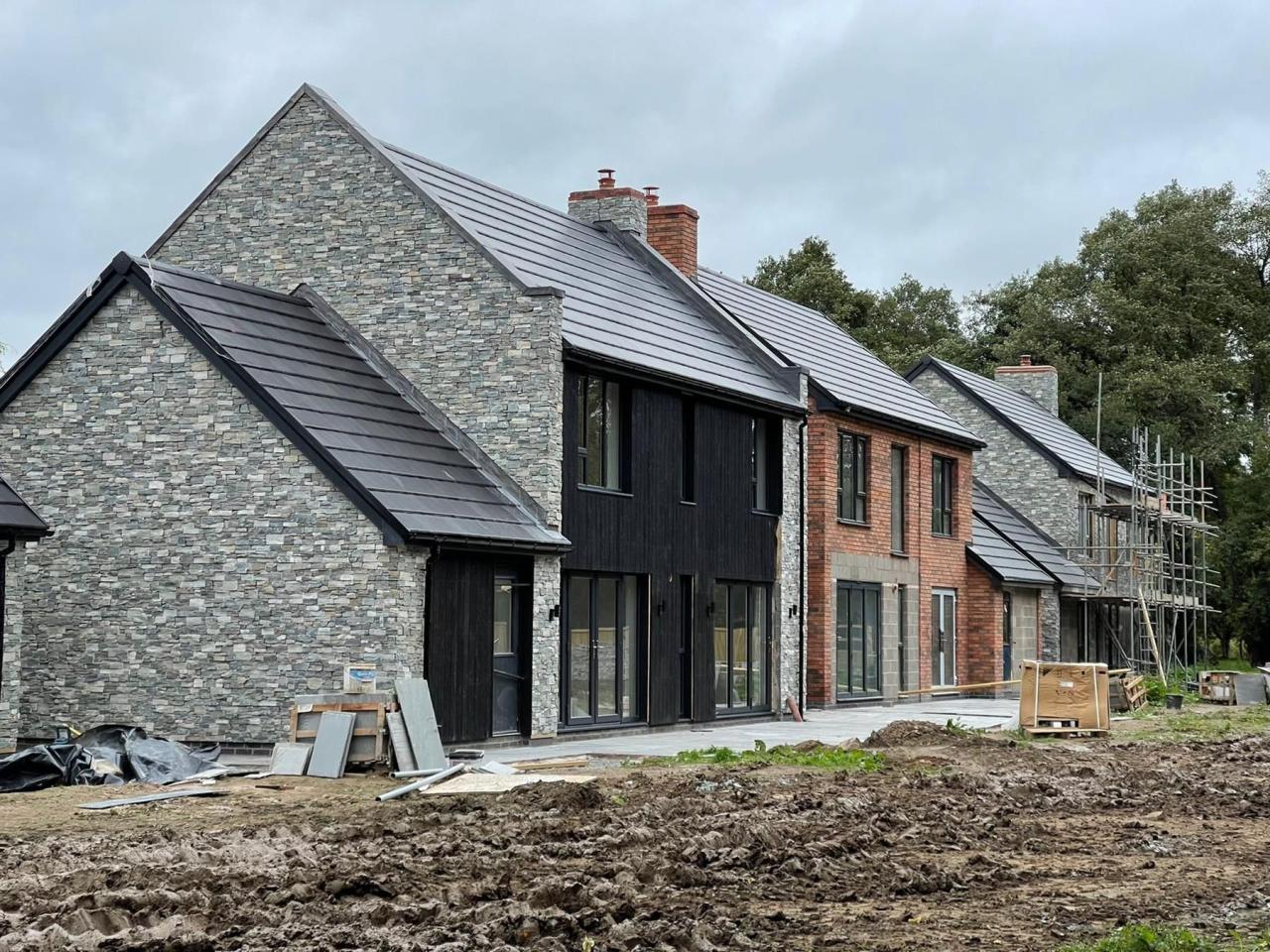
Proper maintenance is crucial to ensure the longevity and appearance of your house cladding. Different materials have varying maintenance requirements to keep them in good condition.
Wooden Cladding
Wooden cladding requires regular cleaning to remove dirt, mold, and mildew. A gentle scrub with a mixture of mild soap and water is usually sufficient. Repainting or resealing may be needed every few years to protect the wood from moisture and UV damage.
It’s essential to inspect for any signs of rot or damage and address them promptly to prevent further issues.
Vinyl Cladding
Vinyl cladding is relatively low maintenance, requiring occasional cleaning with a mild detergent and water. It’s resistant to rot, pests, and fading, eliminating the need for repainting. However, it may crack or become brittle over time, requiring replacement of damaged sections.
Inspecting for any damage and ensuring proper installation can help prolong the lifespan of vinyl cladding.
Brick Cladding
Brick cladding is durable and requires minimal maintenance. Periodic cleaning with a pressure washer or scrubbing with a mild detergent can help remove dirt and grime. Repointing may be necessary if mortar joints deteriorate over time. Inspecting for cracks or loose bricks and addressing them promptly can prevent water penetration and structural issues.
Fiber Cement Cladding
Fiber cement cladding is low maintenance but may require occasional cleaning with a mild detergent and water to remove dirt and stains. Repainting every 10-15 years can help maintain its appearance and protect it from the elements. Inspecting for any cracks, chips, or moisture damage is essential to prevent further deterioration.
Maintenance Costs and Tips
- Wooden cladding may require more frequent maintenance and repainting, leading to higher long-term costs.
- Vinyl cladding is cost-effective in terms of maintenance, but replacement of damaged sections can add up over time.
- Brick cladding is durable but may require repointing, which can be costly depending on the extent of mortar deterioration.
- Fiber cement cladding has moderate maintenance costs, mainly associated with occasional repainting.
Regular inspections, timely repairs, and proper cleaning can help homeowners prolong the lifespan of their cladding materials and avoid costly replacements in the future.
Question Bank
What are the factors affecting the cost of house cladding materials?
The cost of house cladding materials can vary based on factors like material quality, property size, and complexity of installation.
Which house cladding material is the most durable in UK weather conditions?
Fiber cement is known to be highly durable in UK weather conditions, resisting rain, wind, and temperature fluctuations effectively.
How can homeowners prolong the lifespan of their house cladding material?
Regular cleaning, timely repairs, and proper maintenance can help homeowners prolong the lifespan of their house cladding material.